top of page


Our Vision:
To be a client-focused, innovative, and sustainable consulting practice.
Projects:
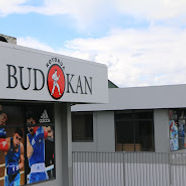
Rotorua Martial Arts Centre
An independent pre-feasibility assessment of a proposed regional/national martial arts centre in Rotorua, New Zealand. The report was commissioned by Rotorua Lakes Council on behalf of a steering group investigating the potential development of a dedicated martial arts centre in Rotorua for martial artists of any style to train in their various systems. The facility would be available to host regional and national events for user groups/anchor tenants, and available to be hired to outside groups. The facility went ahead and opened. It is now called Budokan Rotorua.

Western Bay of Plenty Skills Gap Analysis
The Western Bay of Plenty Skills Gap Project was jointly commissioned in June 2003 by Priority One, Tauranga City Council, Work and Income and Bay of Plenty Polytechnic. The aims of the project, facilitated by APR Consultants, were to to complete a stock-take of current and future job skills and knowledge needs across key industries and job types in the Western Bay of Plenty sub-region; and to develop strategies to address recruitment, retention, education and training issues in the region.

Tairawhiti Employment Skills Strategy
Managed by a steering group included representatives of Tairawhiti Polytechnic, Tertiary Education Commission, New Zealand Trade and Enterprise, Gisborne Herald, Gisborne District Council, Chamber of Commerce, Employers and Manufacturers' Association, Eastland Community Trust, Te Runanga O Ngati Porou, Te Runanga O Turanganui-a-Kiwa and Ministry of Social Development. Involved extensive community consultation, including surveys and workshops of businesses sectors split into:
1. Agriculture, Horticulture and Forestry.
2. Professional, Business and Government Services.
3. Retail, Wholesale, Tourism, Hospitality and Personal Services.
4. Manufacturing, Engineering, construction and Transport Sector.
5. Education, Health and Other Social Services Sector.
The outcome of this strategy was to ensure that employer and employee needs are meet in the Tairawhiti Region. The strategy identified and addressed the region's present and future skill shortages by coordination, facilitation, cooperation, leadership, implementation and relationship management with people, business, organisations and governments. The outcome of this process aimed to increase economic activity, additional community wealth, higher standards of living, raised individual skill levels, an expanded Tairawhiti’ workforce and inspired youth in the region.

Whakatāne Bike Trail Costing Analysis
Independent cost estimate of a proposed bike trail extension to the Whakatāne cycle trail network. The proposed trail will run from Whakatane to Awakeri, Awakeri to Edgecumbe, Edgecumbe to Thornton and Thornton back to Whakatāne. This trail is part of the Active Whakatāne, Korikori Tinana I Whakatāne, District-wide Transport and Recreation Strategy 2020.

Thermal by Bike - Te Ara Ahi - National Cycle Trail
APR gave project support to the successful Stage Two Feasibility Study and Business Case for the 'Thermal by Bike' cycle trail (Rotorua to Orakei Korako), as part of the New Zealand Cycleway Project. The initiative was subsequently approved to proceed in September 2010. Rebranded as the 'Pathways of Fire' cycle trail and then reverted to 'Thermal by Bike'. This project involved a combination of desktop literature review, primary research and stakeholder consultation. Subsequently field work was undertaken to confirm the route, traffic mitigation measures and a business case was devleloped for the cycleway which was then supported.
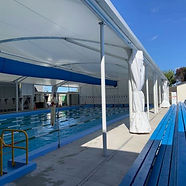
Whakatāne District Aquatic Centre Outdoor Pool Enclosure – Feasibility Study
The reason for this report was to provide the Committee with the findings of the feasibility study completed to identify options for enclosing the outdoor pool at the Whakatāne District Aquatic Centre to provide 12 month use of the facility. The enclosing of the outdoor pool will provide additional water/lane space during the autumn and winter to meet current and future demand for the provision of aquatics programmes, club membership and public recreational use. This report presents costs and options on enclosure structures, installation of alternative energy options (solar heating), external funding sources and estimated costs associated with the capital costs of the project and operational costs for the operation of the facility for an additional 23 weeks per annum.
bottom of page